



10 Reasons Why Your Acura Won’t Start
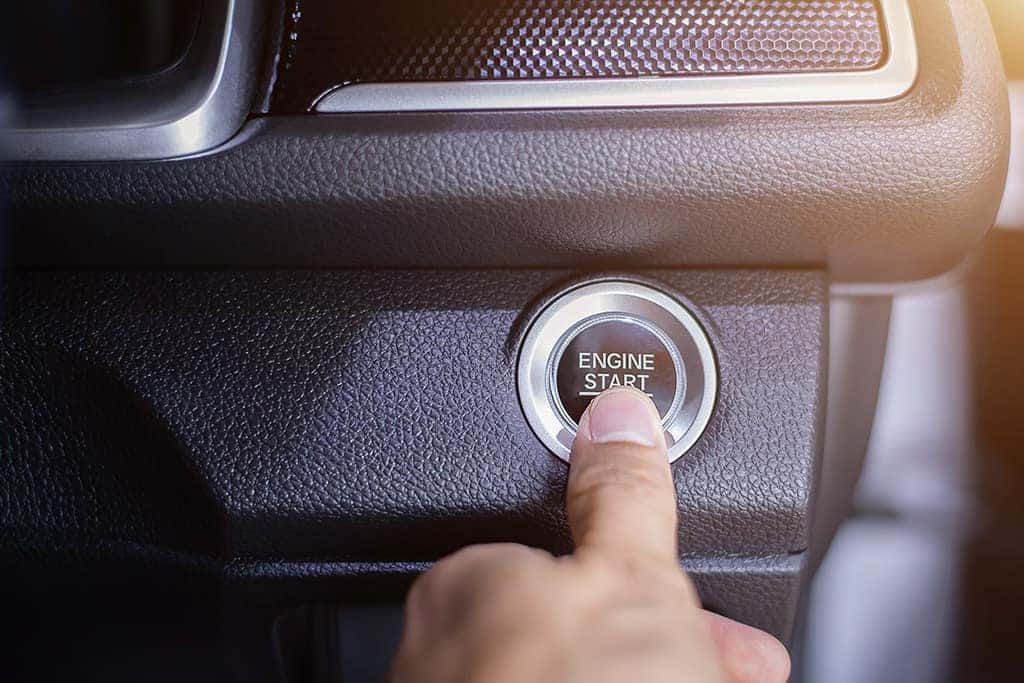
We’ve all been there. You walk out to your Acura hopeful for a smooth drive to work, a relaxing road trip, or just your regular errands, but when you turn the key, nothing happens. The dread of a car that won’t start is universal. Yet, it can be a non-issue for some—perhaps you just left your headlights on and your battery is drained. But for others, it’s the beginning of a detective’s mission to get to the root of an inconvenient and potentially expensive problem.
In this extensive guide, we’re diving deep into the 10 most common reasons why your Acura might not start when you need it to. Whether you’re a loyal Acura owner, a novice driver, or an auto enthusiast, understanding these issues can save you time, money, and maybe even a bit of your sanity.
Dead Battery: Silence Speaks Louder Than Words
A dead battery is the quintessential reason most people associate with a car not starting. And it’s for good reason—your battery is the heart of your car’s electrical system. If it doesn’t have enough juice, the lights might be on, but your engine can’t turn over.
Common Signs of a Dead Battery:
-
- Sluggish engine crank
- Dim or flickering dashboard lights
- A ‘clicking’ sound when turning the key
Solutions and Prevention:
-
- Jump Start: Use jumper cables and another running vehicle to provide a quick charge.
- Battery Replacement: If your battery is regularly losing its charge, it’s time for a new one.
- Basic Checkups: Regular inspections can help you stay ahead of any battery trouble.
Faulty Starter Motor: When Silence follows a Silent Click
If you turn the key and hear a single, loud click, but nothing else, your starter motor could be the culprit. The components could be worn or damaged, preventing the starter from cranking the engine.
Symptoms of a Faulty Starter Motor:
-
- Frequent ‘clicking’ sounds when starting the car
- Grinding noise from the starter area
- A burning smell, especially during start attempts
How to Troubleshoot and Fix:
-
- Check Electrical Connections: Ensure all wires and terminals are in good condition.
- Replace the Starter: Sometimes, a faulty starter needs to be replaced.
Fuel Delivery Problems: The Silent Culprit
Even when there’s fuel in the tank, issues with fuel delivery can prevent that fuel from reaching the engine.
Common Symptoms:
-
- Sputtering or jolting during acceleration
- Drop in engine power under stress
- Frequent stalling or failure to start
Resolution:
-
- Consult a professional for a thorough diagnosis.
- Regularly clean your fuel injectors to prevent debris build-up.
- Consider using high-quality fuel to avoid contaminants that could clog the system.
Ignition Switch Failure: When the Key Turns… And Keeps Turning
An often-overlooked part, the ignition switch, can wear down from consistent use over the years. It’s what the key turns, and if it can’t engage the starter, your Acura stays silent.
Signs of a Failing Ignition Switch:
-
- Difficulty turning the key or removing it from the ignition
- Engine starting in any position of the key
- The car suddenly dying while driving
Replacement Options:
-
- For some Acura models, it’s recommended to replace the entire ignition switch assembly.
- Always consult the Acura manual for your vehicle model’s specific instructions.
Malfunctioning Fuel Pump: Feeding the Silence
Much like the starter motor, a fuel pump’s job is straightforward: deliver fuel to the engine. When it fails, your car likely won’t start.
Indications of a Faulty Fuel Pump:
-
- High-pitched whine from the fuel tank while the car is running
- Engine stumbling or failing to start
- Loss of power under heavy acceleration
Repair and Replacement:
-
- Diagnose the fuel pump professionally to confirm the issue.
- Acura dealership service centers can provide genuine replacements and expert installation.
Clogged Fuel Filter: When Clean Fuel Can’t Move
The fuel filter’s role is to prevent dirt and other contaminants from reaching the engine. Over time, it can become clogged, severely limiting or blocking fuel flow.
Common Signs of a Clog:
-
- Reduced engine power
- Sputtering during acceleration
- The car fails to start due to a lack of fuel
How to Clean or Replace:
-
- Regular Maintenance: Replace your fuel filter as recommended by the vehicle manufacturer.
- DIY Replacement: If you’re comfortable working with the fuel system, a new filter can often be installed with the proper precautions.
Broken Timing Belt: The Noise of a Thousand Silences
Your engine’s timing belt or chain is vital to the synchronized operation of its parts. If it breaks, your engine will stall and won’t restart until it’s fixed.
Warning Signs of a Broken Timing Belt:
-
- Ticking noise in the engine
- The engine sputters or misfires
- Oil leaks from the timing belt cover
Timing Belt Replacement:
-
- If your Acura’s engine is of the interference type, failure of the timing belt while the engine is running could cause severe engine damage.
- Have your timing belt inspected regularly and replaced as recommended.
Issues with the Alternator: When the Power Cycle Ends
Your alternator maintains the battery’s charge while the car is running. If it’s faulty, the battery’s power could be drained, leading to a ‘no start’ situation.
Signs of a Faulty Alternator:
-
- Dimming or flickering headlights and dashboard lights
- A service engine light with a charging system message
- Strange smells or whining sounds
Repair or Replacement:
-
- An alternator swap is typically a job for professionals due to its location in the engine bay.
- Regular battery checks can also help detect failed or failing alternators.
Faulty Spark Plugs: The Silent Nemeses of Combustion
Spark plugs ignite the fuel and air mixture in the engine’s cylinders. If they fail, your engine has no way to start the combustion process.
Symptoms of Worn-Out Spark Plugs:
-
- Rough idling or unusual engine noises
- Poor acceleration and engine misfires
- Difficulty starting the engine, especially in colder weather
How to Replace Spark Plugs:
-
- Replace spark plugs if they show signs of wear or if the vehicle manual suggests replacement at a certain interval.
- Professional mechanics can provide thorough service and proper installation.
Engine Control Unit (ECU) Problems: When the Brain Is Muddled
The ECU, or engine control unit, manages the electronic parts of your car’s engine. Any ECU issues can lead to a variety of starting problems.
Indications of ECU Issues:
-
- Engine stalling shortly after starting
- Reduced fuel efficiency
- A non-responsive engine even with a functional battery and starter
ECU Troubleshooting and Repair:
-
- Diagnose any ECU-related problems with the help of specialized equipment.
- Replacement or repair of the ECU is a precise task that should be conducted by experienced professionals.
Regular Maintenance and Professional Assistance Are Key
While knowledge of these potential issues can help you troubleshoot, it’s essential to keep up with regular vehicle maintenance and seek professional assistance when needed.
The Importance of Professional Help:
-
- Dealerships have specific expertise with Acura models and can offer precise diagnostics and fitting of authentic replacement parts.
- A professional ensures that the correct protocols, tools, and safety measures are used during any repair process.
Using Your Acura’s Manual to Your Advantage:
-
- Your car’s manual is a wealth of knowledge specific to your vehicle’s make and model.
- Regularly referencing your manual for maintenance schedules and troubleshooting can provide valuable guidance.
Navigating the ‘Why’ When Your Acura Won’t Start is a Journey
When your Acura presents you with the dreaded silence of a failed start, it’s like being given a puzzle with the most complex pieces. But with patience, knowledge, and sometimes a bit of elbow grease, most starting issues can be resolved.
Understanding these ten common reasons for a no-start situation is the first step. By familiarizing yourself with the signs, solutions, and prevention methods, you’re empowering yourself to overcome these challenges and stay on the road with confidence. Contact Speedcraft Acura for any additional support or inquiries.
0 comment(s) so far on 10 Reasons Why Your Acura Won’t Start