



Acura Multi Point Inspection
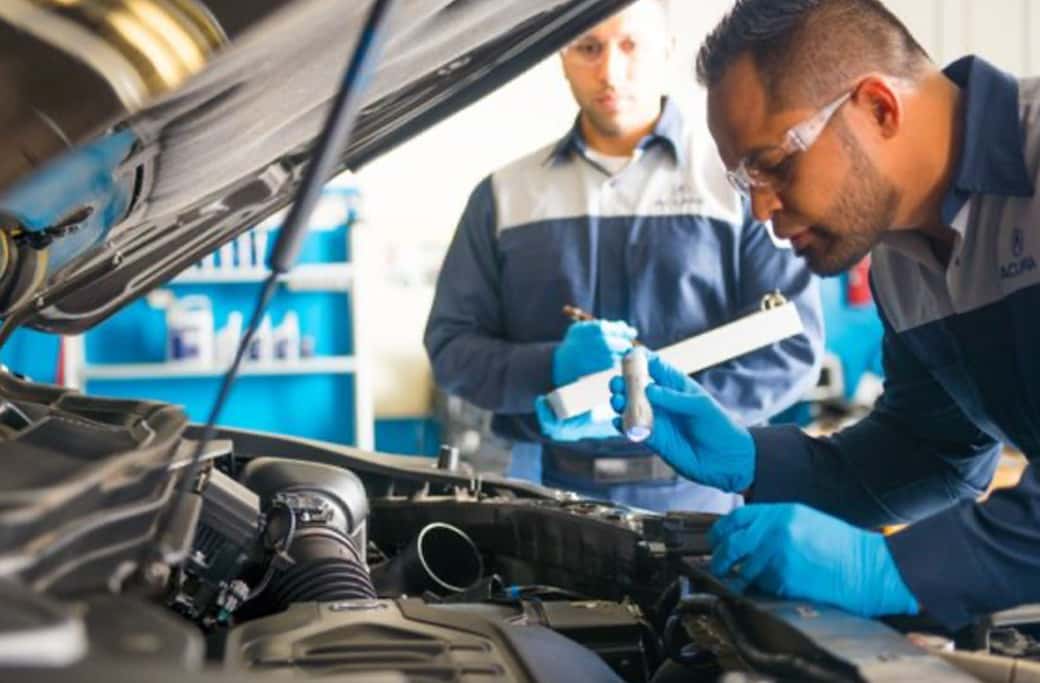
Owning a luxury vehicle like an Acura is about enjoying precision performance, comfort, and reliability. But keeping that machine running smoothly requires more than just filling the gas tank and washing the exterior. Regular maintenance is the lifeline of your car, and one of the most effective tools in your maintenance arsenal is the Acura Multi-Point Inspection.
You might have seen this term on service menus or heard a service advisor mention it during an oil change. But what exactly does it entail? Is it just a cursory glance over the engine, or is it something more comprehensive? Understanding the depth of this inspection can change how you view routine maintenance, shifting the focus from simple repairs to proactive vehicle health management.
Let’s break down exactly what happens during this service, why it is critical for the longevity of your Acura, and how it can save you significant time and money down the road.
What Is Included in the Acura Multi-Point Inspection?
Think of a Multi-Point Inspection as a physical exam for your car. Just as a doctor checks your vitals to ensure your body is functioning correctly, a certified technician evaluates your vehicle’s key systems to ensure everything is operating within factory specifications.
This isn’t a random check-up. It is a standardized, thorough process where technicians examine a specific list of components. While the exact checklist can vary slightly depending on the model and mileage, a comprehensive Acura Multi-Point Inspection generally covers three main areas: under the hood, under the vehicle, and the interior/exterior.
Under the Hood
This is where the heart of your Acura lives. Technicians will dive deep into the engine bay to check vital fluids and mechanical components.
- Fluid Levels and Condition: Your engine relies on various fluids to cool, lubricate, and power different systems. The inspection checks the levels and condition of your engine oil, coolant, brake fluid, power steering fluid, and transmission fluid. Dark or burnt-smelling fluids can indicate internal issues that need addressing.
- Drive Belts and Hoses: Rubber components degrade over time due to heat and age. Technicians look for cracks, fraying, or glazing on serpentine belts and timing belts. They also check cooling system hoses for leaks or soft spots that could lead to a breakdown.
- Battery Performance: A battery test helps determine if your battery is holding a charge properly. They also check the terminals for corrosion, which can impede starting power, especially in colder weather.
- Air Filters: Both the engine air filter and the cabin air filter are inspected. A clogged engine filter reduces performance, while a dirty cabin filter can reduce air quality inside the car and stress your AC system.
Under the Vehicle
Once the car is lifted, technicians can inspect critical safety and suspension components that are otherwise hard to see.
- Brake System: This is arguably the most critical safety check. The technician measures the thickness of your brake pads and inspects the condition of the rotors and calipers. They are looking for uneven wear or signs that the pads are nearing the end of their life.
- Tires: Your tires are your only contact with the road. The inspection includes checking tire pressure, looking for uneven tread wear (which can indicate alignment issues), and measuring tread depth to ensure you have adequate traction.
- Suspension and Steering: Shocks, struts, tie rods, and ball joints are examined for leaks or excessive play. Worn suspension parts can negatively affect handling and ride comfort.
- Exhaust and Drive Line: The exhaust system is checked for leaks or rust holes, while CV boots and universal joints are inspected for tears or damage.
Interior and Exterior Checks
Finally, the visual aspects and functional accessories are reviewed.
- Lights: All exterior lights—headlights, brake lights, turn signals, and hazard lights—are tested to ensure they are illuminating correctly.
- Wiper Blades: Torn or streaking wiper blades are a safety hazard during rain or snow.
- Dashboard Warning Lights: If any warning lights are illuminated on your dash, the technician will note them for further diagnostic testing.
The Color-Coded Report Card
Typically, the results of this inspection are presented to you on a color-coded sheet, making it easy to understand the urgency of repairs:
- Green: Everything is good. The component is functioning properly and does not need attention.
- Yellow: Attention is required soon. The part is showing signs of wear but is not yet critical. This allows you to budget for future repairs.
- Red: Immediate attention is needed. The component has failed or is about to fail, posing a safety risk or potential for damage.
Why Is the Inspection Necessary?
It is easy to fall into the trap of thinking, “If it ain’t broke, don’t fix it.” However, waiting for a breakdown is often the most expensive and inconvenient way to maintain a car. The Acura Multi-Point Inspection is designed to shift your strategy to preventative maintenance.
Safety First
The primary reason for these inspections is safety. You may not notice that your brake pads are wearing thin until they start grinding metal-on-metal, at which point your stopping power is compromised. By catching worn tires, low brake fluid, or burnt-out lights early, you ensure that your vehicle remains safe for you and your passengers.
Preventing Costly Repairs
Small problems have a habit of becoming big, expensive ones if left unchecked. A simple coolant leak from a loose hose costs very little to fix. But if that leak goes unnoticed and causes your engine to overheat, you could be looking at a catastrophic engine failure costing thousands of dollars. The inspection identifies these “yellow” items before they turn “red.”
Maintaining Performance and Resale Value
Acura vehicles are engineered for performance. When filters are clean, spark plugs are firing correctly, and fluids are fresh, your car delivers the fuel economy and power you expect. Furthermore, a well-documented history of regular inspections and maintenance adds significant value when it comes time to sell or trade in your vehicle. Prospective buyers love seeing a car that has been professionally cared for.
How Often Should You Get an Acura Multi-Point Inspection?
The beauty of the Multi-Point Inspection is that it is usually integrated into your standard service visits. You generally do not need to make a special appointment solely for this check-up.
Most service advisors recommend having a Multi-Point Inspection performed with every oil change. Since modern Acuras equipped with the Maintenance Minder system typically call for oil changes every 5,000 to 7,500 miles (depending on driving conditions and oil type), this provides a perfect interval for a regular health check.
Additionally, you should consider scheduling an inspection if:
- You are planning a long road trip.
- The seasons are changing (especially heading into winter or summer).
- You have purchased a pre-owned Acura and want to know its current baseline health.
Why Choose Speedcraft Acura for Your Inspection?
While many general repair shops offer basic inspections, there is a distinct advantage to having your vehicle serviced at Speedcraft Acura.
Factory-Trained Technicians
At Speedcraft Acura, your vehicle is inspected by technicians who work on Acuras every single day. They know exactly what to look for, from common wear patterns to model-specific quirks that a general mechanic might miss. Their training is updated regularly by the manufacturer, ensuring they are experts on the latest Acura technology.
Genuine Acura Parts
If the inspection reveals that a part needs replacing—be it a filter, a brake pad, or a belt—Speedcraft Acura uses Genuine Acura Parts. These components are designed specifically for your vehicle, ensuring a perfect fit and preserving the original performance and integrity of your car.
State-of-the-Art Facilities
Dealership service centers are equipped with the latest diagnostic tools and software directly from the factory. This allows for a level of precision in diagnosing electronic and mechanical issues that aftermarket shops often cannot match.
Prioritize Your Vehicle’s Health
Your Acura is a significant investment, and protecting that investment requires consistency. The Acura Multi-Point Inspection provides you with a clear, transparent snapshot of your vehicle’s health, empowering you to make informed decisions about maintenance and repairs. It removes the guesswork and helps you avoid the stress of unexpected breakdowns.
Don’t wait for a warning light to flash on your dashboard. Stay ahead of the curve and keep your vehicle performing at its peak.
Ready to give your vehicle the attention it deserves? Schedule your next service appointment at Speedcraft Acura today and experience the peace of mind that comes with a comprehensive Multi-Point Inspection.
0 comment(s) so far on Acura Multi Point Inspection