



Acura RDX Tire Rotation Guide: When and Why to Rotate
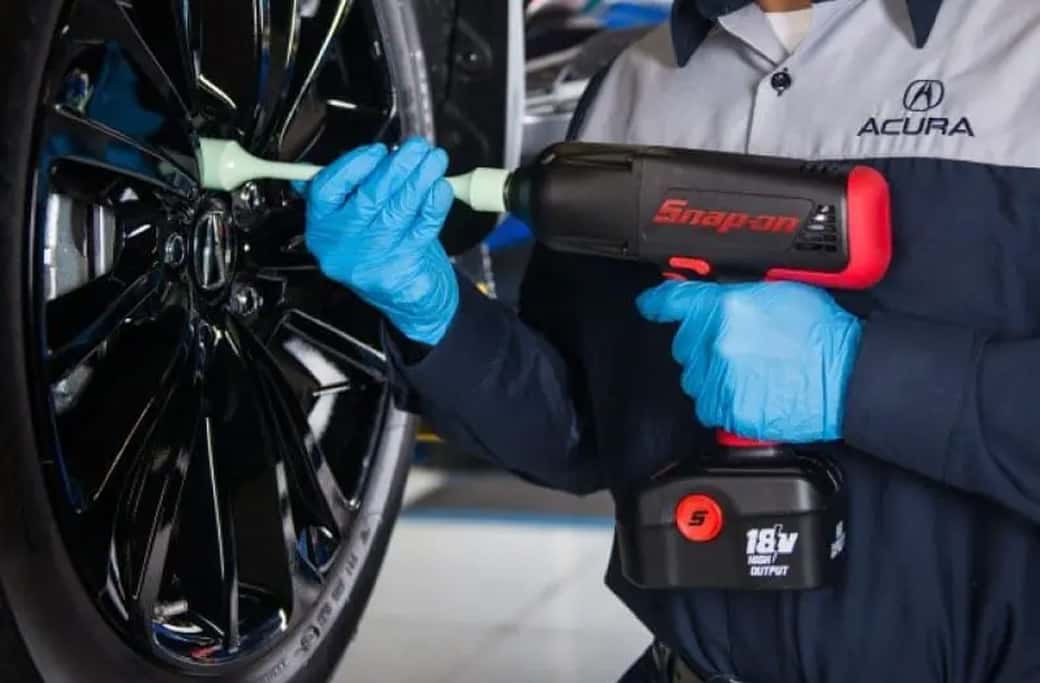
Your Acura RDX is engineered for precision performance, offering a blend of luxury and agility that makes driving a joy. However, that sophisticated Super Handling All-Wheel Drive™ (SH-AWD®) or front-wheel drivetrain relies heavily on one specific component to translate power to the pavement: your tires.
To keep your RDX handling corners with confidence and stopping safely, tire maintenance is non-negotiable. While checking tire pressure is a common habit for many drivers, tire rotation often falls by the wayside. At Speedcraft Acura, we want to ensure you get the most out of your vehicle investment. Here is everything you need to know about when and why you should rotate the tires on your Acura RDX.
The Recommended Rotation Interval
For most Acura RDX models, the manufacturer recommends rotating your tires every 5,000 to 7,500 miles.
A simple way to remember this is to schedule a rotation every time you bring your RDX in for an oil change. Since modern synthetic oils often last about the same duration, combining these services saves you a trip to the dealership and ensures your vehicle maintenance stays on schedule.
Additionally, pay attention to your Acura Maintenance Minder™ system. If you see a “B1” or “A1” code pop up on your dashboard, the “1” specifically indicates that a tire rotation is due.
Why Regular Rotation Matters
You might wonder if moving tires from one spot to another really makes a difference. The answer is yes. Regular rotation provides several tangible benefits that save you money and keep you safe.
Extend Tire Life
Front and rear tires carry different loads and perform different tasks. On an RDX, the front tires handle steering and the majority of the braking force, causing them to wear differently than the rear tires. Rotating them spreads this wear evenly across all four tires, significantly extending their lifespan.
Protect Your Drivetrain
This is particularly important for models equipped with SH-AWD®. If tires have significantly different tread depths due to uneven wear, it can put unnecessary stress on the all-wheel-drive system. Keeping tread wear even ensures your drivetrain functions smoothly without strain.
Improve Fuel Efficiency
Unevenly worn tires create more rolling resistance. This means your engine has to work harder to move the car forward, which burns more fuel. Freshly rotated, balanced tires roll smoothly, helping you maximize your MPG.
Enhance Safety
Uneven tread wear can compromise traction, especially in wet or snowy conditions. By ensuring all four tires have uniform tread depth, you maintain optimal grip and handling stability.
How Tire Rotation Works on an RDX
The specific rotation pattern for your vehicle depends on whether you are driving a Front-Wheel Drive (FWD) or All-Wheel Drive (AWD) model, and whether your tires are “directional” (designed to roll only one way).
- Front-Wheel Drive: Typically, the front tires are moved to the rear on the same side, while the rear tires are moved to the front and crossed to opposite sides.
- All-Wheel Drive: The pattern is often an “X” pattern, where both sets are crossed as they move front-to-back, or a rearward cross.
Because the RDX often uses sophisticated performance tires and specific torque requirements for the lug nuts, it is crucial that the rotation follows the pattern recommended in your owner’s manual.
Signs You Are Overdue for a Rotation
If you haven’t tracked your mileage recently, your car might be giving you physical clues that a service is needed. Watch for these warning signs:
- Uneven Wear: Visually inspect your tires. If the inner edge looks smooth but the outer edge has deep tread (or vice versa), you need a rotation and possibly an alignment.
- Vibration: If you feel a vibration in the steering wheel or through the seat while driving at highway speeds, your tires may be wearing unevenly.
- Increased Road Noise: Cupped or unevenly worn tires often generate a humming or growling noise that gets louder as you accelerate.
The Speedcraft Acura Advantage
While you can rotate tires at home with the right equipment, visiting Speedcraft Acura ensures the job is done to factory standards.
Our factory-trained technicians don’t just swap the tires; we perform a comprehensive check. We inspect the brake pads, check for sidewall damage, adjust tire pressure to factory specs, and ensure the lug nuts are tightened to the precise torque required for your RDX. Plus, we understand the nuances of the SH-AWD® system, ensuring your SUV leaves the service center ready for the road ahead.
Keep Your RDX Road-Ready
Tire rotation is a small maintenance task with a massive impact on the longevity and safety of your Acura RDX. By sticking to the 5,000 to 7,500-mile interval, you protect your drivetrain, save money on premature tire replacement, and ensure a smoother ride.
If you are approaching your mileage interval or noticing uneven wear, don’t wait. Contact Speedcraft Acura today to schedule your service.
0 comment(s) so far on Acura RDX Tire Rotation Guide: When and Why to Rotate