



Why Won’t My Acura RDX Start in the Cold?
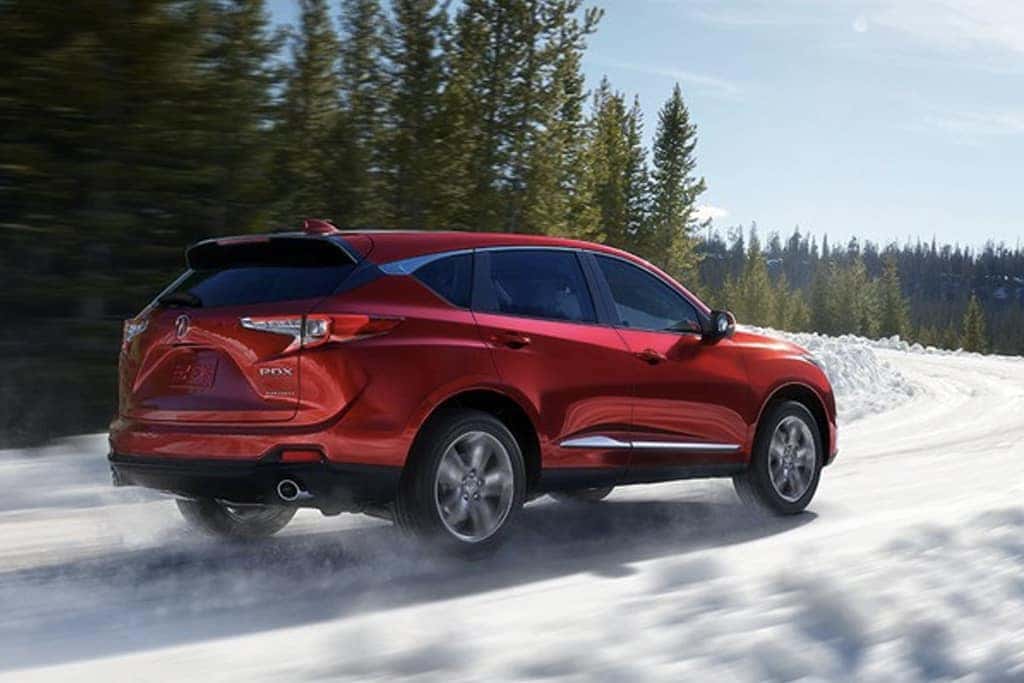
Owning a luxurious vehicle like the Acura RDX can be an absolute joy—until the unforgiving bite of cold weather compromises the start-up of your car. For many Acura RDX owners living in colder climates, winter becomes a battleground against stubborn engines that refuse to turn over. The ordeal is not only frustrating but can also lead to a series of questions: Is this normal? What could be causing this? How can I avoid this issue in the future?
In this comprehensive guide, we’ll dissect the intricate reasons why your Acura RDX might be hesitating to start on those frosty mornings. Be it battery-related, fuel system perplexities, or any of the myriad issues that arise due to cold weather, this article is tailored to empower you with knowledge to keep your Acura RDX on the road, no matter the thermometer reading. So, next time you find yourself cursing at an unresponsive engine, you’ll have a set of strategies to combat the cold-start blues.
The Conundrum of Cold Weather Car Starts
Crisp, chilly mornings can set the scene for a peaceful journey, filled with the invigorating scent of fresh winter air. However, if your Acura RDX fails to start, that tranquility quickly pivots into panic and frustration. The first step toward resolution is understanding that a variety of factors can contribute to the vehicle’s winter woes, and luckily, there are several measures you can take to prevent this.
Let’s dive deep into the often-overlooked complexities of car-start issues in cold weather and explore reliable solutions to get you back on the road with confidence.
Understanding Cold Weather Start-up Problems
The Chill’s Impact on Engines
Car engines are like athletes; they perform at their best under optimal conditions. Cold weather can slow down the chemical reactions inside the engine, which leads to a host of start-up problems. This is especially true if your Acura RDX sits idle for an extended duration in the cold, as oils thicken and components contract, making the engine harder to turn over.
Common Culprits:
-
- Battery Burnout: The battery is the heart of the start-up process. In colder climates, the battery’s power drops as the temperature decreases. This can reveal a weak battery that masked its problems in warmer weather.
- Fuel System Fernwehs: The fuel system might become your next foe. Cold temperatures can cause fuel to condense, leading to difficulties in the proper vaporization and ignition of the fuel mixture.
- Ignition Inconsistencies: Starting is a delicate dance between fuel and spark. A weak ignition system can make the engine dance to its own tune, leading to misfires or no starting at all in severe cases.
Battery Issues in Cold Weather
The Powerhouse’s Plight
A strong and healthy battery is a prerequisite for smooth start-ups in any weather, but it is especially crucial in the cold. When the temperature drops, a battery’s ability to provide cranking amps necessary to start the engine diminishes, sometimes severely.
Signs of a Weak Battery:
-
- Slow Engine Crank: Your engine takes longer than usual to start.
- Dimming Headlights: When attempting to start the car, you notice the lights dim.
- Problems with Electrical Components: Your windows, radio, or other electrical systems operate weakly or not at all.
Battery-Minded Maintenance:
-
- Regular Testing: Periodic battery checks, especially before winter, can be life-saving.
- Terminal Tending: Keep the battery clean and ensure that the terminals are tight and free of corrosion.
- Idle Avoidance: Extended idling can drain the battery—avoid it if possible.
Fuel System Challenges
The Fluid Dynamics Game
In cold weather, various components of your fuel system can be affected, potentially leading to issues like fuel line freeze-ups, vapor lock, and poor fuel distribution. Ensuring the fuel system is in top-notch condition is critical for consistent start-ups.
Cold Weather Fuel System Etiquette:
-
- Use Quality Fuel: Higher octane fuels have a lower likelihood of freezing.
- Winter Additives: Use anti-gel and fuel de-icer additives for additional protection.
- Regular Servicing: Get the fuel system checked and serviced regularly, especially before the onset of winter.
- Fuel Tank Etiquette: Maintain a full or nearly full tank to prevent moisture from accumulating and freezing.
Other Potential Causes of Cold Weather Start-up Issues
Ignition System Conundrums
An ignition system in perfect working order is essential for turning over the engine, especially in cold weather. Worn-out components or even subpar spark plugs can lead to ignition misfires or, worse, no start.
Viscous Vexations: Engine Oil Woes
The engine oil’s viscosity, or resistance to flow, is an important attribute during cold weather. If your oil is too thick, it can hinder the start-up process, preventing the engine’s internal components from receiving proper lubrication.
Electrical System Woes
The entire electrical system of your Acura RDX is under stress when starting in cold weather. Accessories, cables, and the starter motor itself must be in optimal condition to withstand the cold’s impact.
Troubleshooting and Solutions
The Step-by-Step Strategy
When faced with a cold-start challenge, a systematic approach can help you reach a solution faster. Here’s a step-by-step guide to diagnosing and solving these issues:
-
- Battery Check: If your battery is several years old, has slow cranking speed, or exhibits other weak battery symptoms, it may need a check or replacement.
- Fuel Quality and System Inspection: Ensure you have fresh, high-quality fuel. Check for any leaks or damage in the fuel system and its components.
- Ignition Inspection: A diagnostic check of your car’s ignition system by a professional can pinpoint any issues.
- Engine Oil Viscosity: Switch to a lower viscosity oil if you encounter start-up problems consistently in the cold.
- Electrical System Examination: From the starter to the alternator, have every electrical component inspected for signs of wear and tear.
- Environmental Factors: Ensure your car is well-protected from extreme cold weather, especially when parked, to minimize the chances of cold-weather-related issues.
Professional Intervention: For the Stubborn Cases
Some cold-start problems might run too deep for mere mortals. In such cases, consulting your Acura dealership or a certified mechanic is the best bet. Professional diagnostics and repair can save you time, money, and the hassle of DIY attempts.
A Prelude to Preparedness
Starting troubles in extremely cold weather are as much an inconvenience as they are an opportunity to ensure your Acura is in its peak operating condition. By understanding the myriad reasons your Acura RDX may struggle to start in the cold, you can tailor your maintenance strategy to combat these specific issues.
Remember, winter doesn’t have to be the enemy of your transportation reliability. Regular maintenance, investment in high-quality components, and vigilance in assessing your car’s needs can turn the tables, making each winter start as smooth as a summer’s breeze. So, give your Acura the care and attention it deserves throughout the year, especially when the mercury drops, and enjoy the luxury of a consistently reliable ride.
0 comment(s) so far on Why Won’t My Acura RDX Start in the Cold?