



How Long Do Acura Brake Pads and Rotors Last?
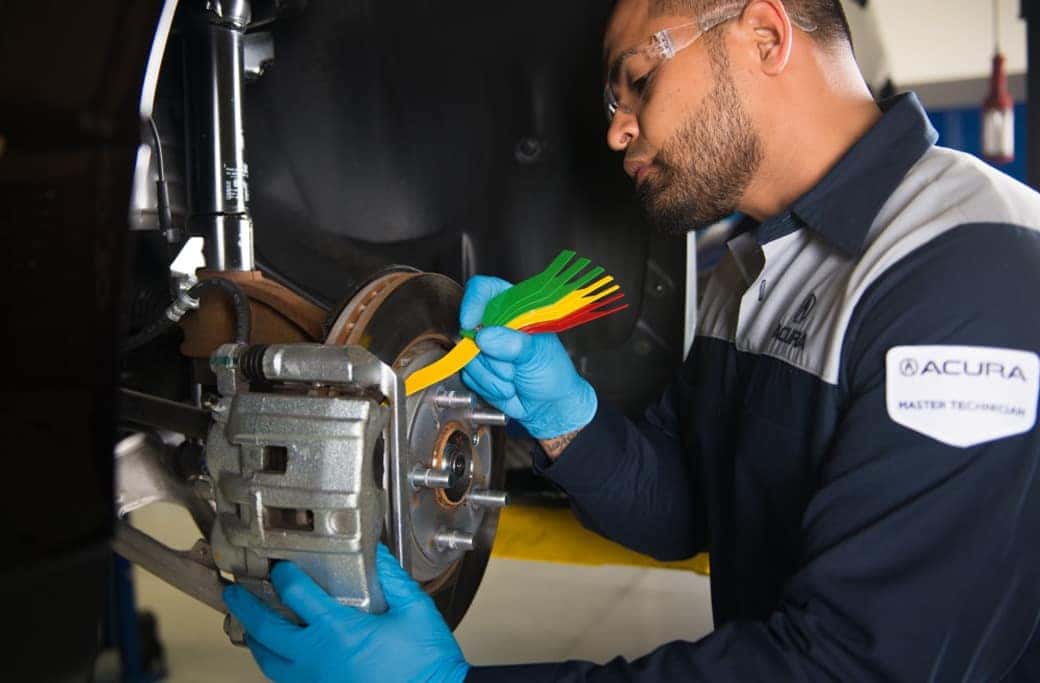
When you are behind the wheel of an Acura, you are experiencing a vehicle built on the philosophy of Precision Crafted Performance. Whether you are navigating city streets in an Integra or cruising the highway in an MDX, your car is designed to deliver a responsive and exhilarating drive. However, that performance relies heavily on your ability to stop safely and efficiently.
Brake pads and rotors are “wear items,” meaning they are designed to degrade over time as they do their job. Because they perform such a critical safety function, understanding their lifespan is essential for every owner. While there isn’t a single expiration date for these components, knowing what influences their longevity can help you plan for maintenance and keep your Acura performing at its peak.
Factors That Impact Brake Life
You might wonder why your neighbor’s brake pads lasted 60,000 miles while yours needed replacing at 35,000. The truth is, several variables dictate how fast your braking system wears down.
Your Driving Habits
This is the single biggest factor. If you frequently drive in heavy stop-and-go traffic, you are engaging the brakes constantly. Conversely, highway driving requires significantly less braking. Aggressive driving—such as braking hard at the last second rather than coasting to a stop—also generates high heat and friction, accelerating wear on both pads and rotors.
Environmental Conditions
Where you drive matters. Steep hills and mountains require you to ride the brakes to control speed, which wears them down faster than driving on flat terrain. Additionally, road salt used in winter can cause corrosion on rotors, while extreme heat can impact the efficiency of the brake pad material.
Component Quality
Acura vehicles are equipped with high-quality OEM (Original Equipment Manufacturer) parts designed specifically for your model’s weight and performance output. Replacing these with cheaper, aftermarket alternatives often results in faster wear and noisier operation.
The Average Lifespan of Acura Brakes
While mileage varies based on the factors above, there are general benchmarks you can look for.
Brake Pads: generally last between 30,000 and 70,000 miles. If you have a heavy commute or drive a larger SUV like the MDX, you might find yourself on the lower end of that spectrum.
Brake Rotors: generally last longer than pads, typically between 50,000 and 80,000 miles. In many cases, rotors can last through two sets of brake pads. However, if the pads are worn down to the metal, they can score the rotors, requiring them to be replaced earlier than expected.
4 Signs Your Brakes Need Service
You shouldn’t wait for a specific mileage milestone to check your brakes. Your Acura will often tell you when it needs attention. Watch for these common warning signs:
1. Squealing or Screeching
Most brake pads feature a built-in metal “wear indicator.” When the pad material gets too thin, this metal tab scrapes against the rotor, creating a high-pitched squeal. This is your first warning that service is needed soon.
2. Grinding Noises
If you hear a loud, metallic growling or grinding sound, it likely means the brake pads are completely worn out, and metal is grinding against metal. This can damage your rotors and requires immediate attention to prevent brake failure.
3. Vibration or Pulsation
If you feel the brake pedal or steering wheel vibrating when you slow down, your rotors might be warped. Warped rotors provide an uneven surface for the pads to grip, reducing your stopping power.
4. Taking Longer to Stop
If your brake pedal feels “spongy” or you notice that the car isn’t stopping as crisply as it used to, this is a sign of “brake fade” or potential fluid issues.
Tips to Extend Your Brake Life
While replacement is inevitable, you can maximize the life of your components with a few adjustments:
- Coast more: Anticipate stops. If you see a red light ahead, lift off the gas early and coast rather than rushing up to the line and braking hard.
- Shed weight: Avoid carrying unnecessary heavy items in your trunk, as extra weight increases the energy required to stop the vehicle.
- Flush your fluid: Old brake fluid attracts moisture, which can cause internal corrosion. Follow the service intervals in your owner’s manual.
Keep Your Acura Performing Safely
Your braking system is the most critical safety feature on your vehicle. While Acura vehicles—like the 2025 MDX and Integra—earn top safety ratings, those ratings rely on properly maintained equipment. Ignoring the signs of worn brakes not only compromises your safety but can leads to more expensive repairs down the road.
If you are hearing noises or approaching the mileage benchmarks mentioned above, it is time for a professional inspection. Visit Speedcraft Acura to have certified technicians inspect your pads and rotors, ensuring your vehicle retains the precision performance it was built for.
0 comment(s) so far on How Long Do Acura Brake Pads and Rotors Last?