



How Tire Pressure Affects Handling and Fuel Economy
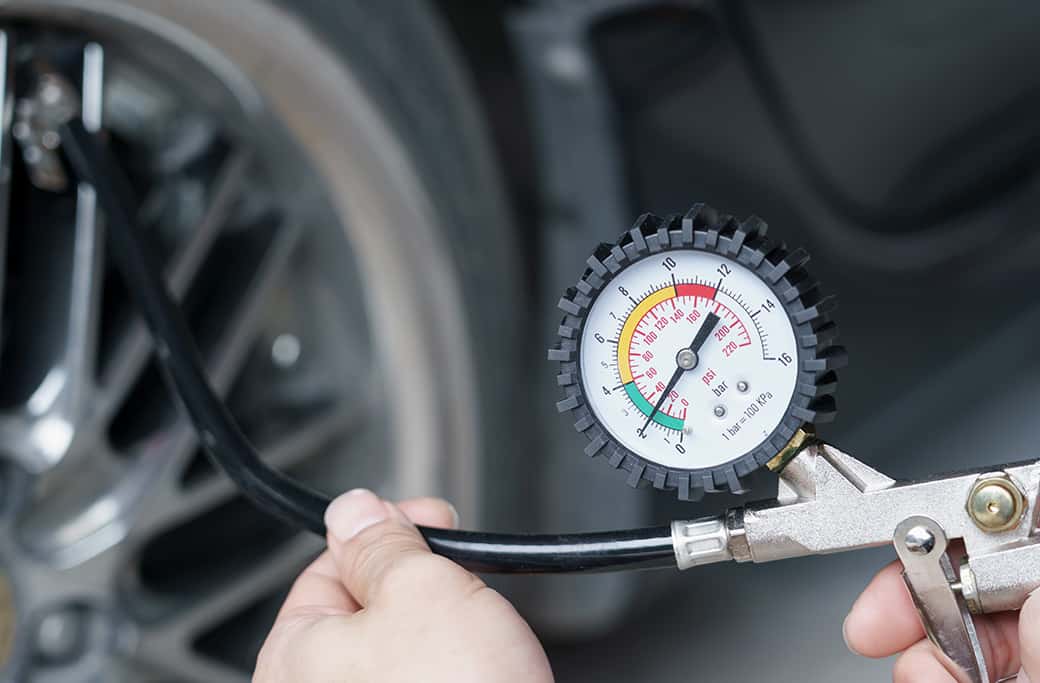
Your Acura was engineered for what the brand calls “Precision Crafted Performance.” Whether you drive a sporty Integra or a spacious MDX, thousands of hours of engineering went into the suspension and drivetrain to ensure a specific driving experience. However, there is one variable that can undo all that hard work in an instant: incorrect tire pressure.
Many drivers view tires simply as rubber circles that keep the car off the ground. In reality, they are the only contact point between your vehicle and the road. The air inside them determines how that contact happens. When your pressure is off, your safety, driving enjoyment, and wallet all take a hit. Here is how maintaining the right PSI keeps your Acura running exactly as Speedcraft Acura intended.
The Connection Between Pressure and Handling
Acura vehicles often feature advanced systems like Super Handling All-Wheel Drive™ (SH-AWD®). These systems rely on consistent feedback from the road to distribute power effectively. When tires are not inflated to the manufacturer’s specifications, the vehicle’s handling characteristics change drastically.
The Risks of Under-inflation
When a tire lacks sufficient air, the sidewalls flex more than they should during cornering. This creates a “mushy” or unresponsive feeling when you turn the steering wheel. The tire footprint—the amount of rubber touching the road—becomes distorted. This excess heat buildup from the flexing sidewalls is a leading cause of tire blowouts. Furthermore, under-inflated tires react slower to steering inputs, compromising the sharp, agile feel Acuras are known for.
The Risks of Over-inflation
On the flip side, putting too much air in your tires is equally detrimental. An over-inflated tire stiffens the ride, making you feel every bump and pothole in the road. More importantly, it reduces the size of the contact patch. With less rubber gripping the asphalt, your traction decreases, which can be dangerous during rainy or snowy conditions.
Rolling Resistance and Fuel Economy
If the safety and performance arguments aren’t enough to convince you to check your tires, the financial aspect might. Tire pressure has a direct correlation with your Acura’s fuel efficiency.
This comes down to physics and a concept called “rolling resistance.” Under-inflated tires are softer and require more energy to roll. Think of it like riding a bicycle with flat tires; you have to pedal significantly harder to maintain speed compared to riding on fully inflated tires.
When your car’s tires are low, your engine has to work harder to overcome that resistance. This burns more fuel. According to the U.S. Department of Energy, you can improve your gas mileage by up to 3% simply by keeping your tires inflated to the proper pressure. While that percentage seems small, it adds up significantly over the life of the vehicle ownership.
How to Check and Maintain Your Tires
Maintaining tire pressure is one of the easiest DIY maintenance tasks you can perform. You should aim to check your pressure once a month and before any long road trips.
1. Find the Right Number
Do not look for the “Max PSI” number molded onto the tire sidewall. That is the maximum pressure the tire can hold, not the recommended pressure for your specific Acura. Instead, look for a sticker on the driver’s side door jamb (the B-pillar). This placard lists the correct cold tire pressure for front and rear tires.
2. Check When Cold
Tire pressure rises as you drive because the friction creates heat. For an accurate reading, check your tires when the car has been parked for at least three hours.
3. Use a Quality Gauge
Unscrew the valve stem cap and press your tire gauge onto the valve stem. Compare the reading to the door placard.
4. Adjust as Needed
If the number is too low, add air until it matches the recommendation. If it is too high, press the pin in the center of the valve stem to release some air.
Keep Your Acura Performance-Ready
Your tires are a critical component of your vehicle’s health. Correct pressure ensures your Acura handles corners with precision, grips the road safely in bad weather, and achieves the best possible fuel economy. It is a simple check that protects your investment and enhances your daily drive.
If you are unsure about how to check your pressure, or if your Tire Pressure Monitoring System (TPMS) light stays on, the service team is here to help. Visit Speedcraft Acura today for a tire inspection or rotation to keep your vehicle performing at its peak.
0 comment(s) so far on How Tire Pressure Affects Handling and Fuel Economy