



Why Are My Acura Brakes Squealing?
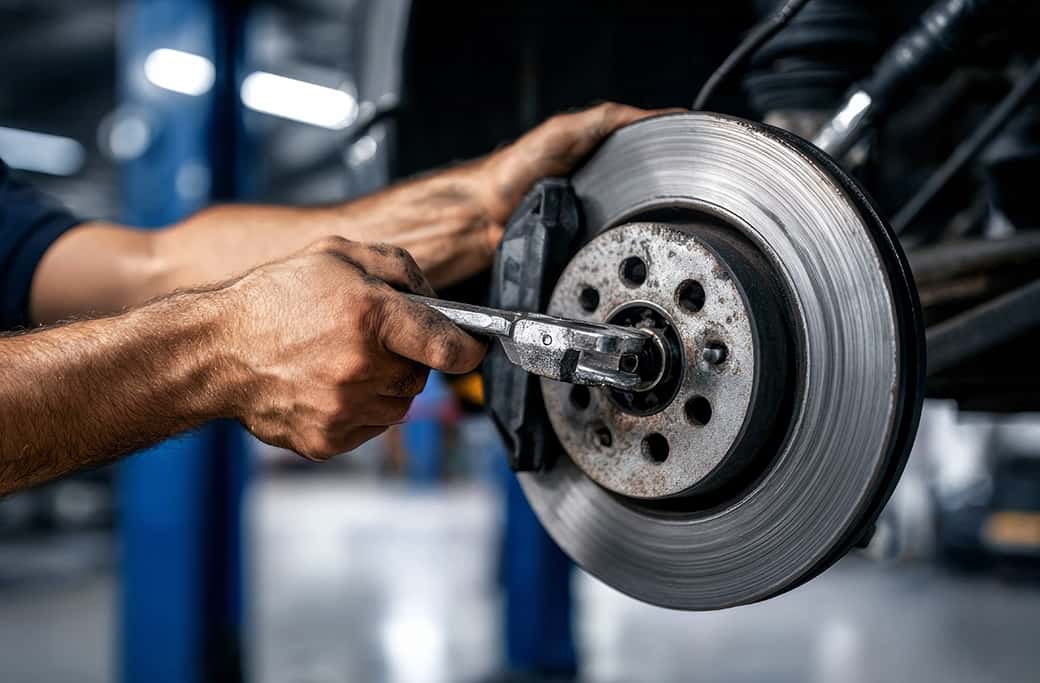
It’s a sound every driver dreads: you press down on the brake pedal, and instead of a silent stop, you hear a high-pitched squeal. It’s annoying, embarrassing, and—most importantly—concerning. While Acuras are known for their precision performance and reliability, no vehicle is immune to the occasional brake noise.
If you are hearing a squealing sound coming from your wheels, you aren’t alone. Brake squeal is one of the most common complaints among vehicle owners. While it doesn’t always signal a catastrophic failure, it is a clear message from your car that something needs attention. Understanding what causes that noise can help you decide whether it’s a minor annoyance or a safety hazard requiring immediate service.
Common Causes of Brake Squeal
Brake systems rely on friction to stop your vehicle. When you press the pedal, calipers squeeze brake pads against spinning rotors. Under the right conditions, this friction creates high-frequency vibrations that we hear as squealing. Here are the most frequent culprits.
Worn Brake Pads
This is the most common reason for the noise. Most modern brake pads are designed with a built-in safety feature: a small metal tab called a wear indicator. When the friction material on the pad wears down to a certain level, this metal tab drags against the rotor, creating a loud, intentional squeal. This is your car’s way of telling you it’s time for new pads before you damage the rotors.
Rotor Condition
The condition of your brake rotors plays a huge role in how quiet your stops are. Over time, rotors can develop glazing (a hardened, smooth surface) or uneven wear grooves. If the surface isn’t perfectly flat, the pads won’t make even contact, leading to vibration and noise. Additionally, if you leave your Acura parked for an extended period, particularly in humid weather, a thin layer of surface rust can form on the rotors, causing a grinding or squealing noise for the first few stops until it wears off.
Brake Dust Accumulation
Every time you brake, a tiny amount of dust is produced as the pads wear down. In many driving conditions, this dust simply blows away. However, heavy braking or stop-and-go traffic can cause brake dust to accumulate between the pads and rotors. This trapped dust can cause glazing on the pad surface, resulting in a high-pitched squeal even if the pads have plenty of life left.
Loose or Worn Components
Your braking system is a complex assembly of moving parts. If the anti-rattle clips, shims, or the calipers themselves become loose or worn out, the brake pads may vibrate excessively against the rotor. This vibration is often the source of that irritating high-pitched tone.
Acura-Specific Considerations
While the mechanics of braking are similar across most cars, Acuras are performance vehicles often equipped with high-performance brake components. Models like the Acura TLX or RDX may use specific friction materials designed for better stopping power.
Sometimes, high-performance semi-metallic pads are harder than standard ceramic pads. While they offer excellent stopping distances, they can be naturally noisier, especially when cold. Ensuring you use Genuine Acura parts during replacements can help maintain the balance between performance and quiet operation that the engineers intended.
Solutions to Brake Squeal
So, how do you get back to the silent, smooth ride you expect from your Acura?
Cleaning the Brakes
If the issue is simply brake dust or minor debris, a thorough cleaning might solve the problem. Using a specialized brake cleaner spray can remove built-up dust and road grime from the calipers and rotors. This is often a quick fix for noise caused by accumulation rather than wear.
Replacing Pads and Rotors
If the squeal is caused by the wear indicator, replacement is the only option. It is crucial to replace brake pads in pairs (both front or both rear) to ensure even braking. If your rotors are warped or deeply scored, they may need to be resurfaced or replaced entirely to prevent the new pads from wearing unevenly or making noise immediately.
The Importance of Professional Inspection
Because brakes are your vehicle’s most critical safety system, guessing the cause of the noise isn’t worth the risk. A professional technician can measure the pad thickness, check rotor runout (wobble), and inspect the calipers for proper movement.
Stop the Squeal at Speedcraft Acura
Ignoring brake noise can lead to more expensive repairs down the road, such as damaged rotors or caliper failure. More importantly, it can compromise your safety.
If your Acura is sounding less like a luxury vehicle and more like a freight train, it’s time for a check-up. At Speedcraft Acura, our factory-trained technicians understand the specific needs of your vehicle’s braking system. Whether it’s a simple cleaning or a full brake service, we can diagnose the issue accurately and get you back on the road safely and silently.
0 comment(s) so far on Why Are My Acura Brakes Squealing?