



Why Is My Acura Tire Pressure Light On?
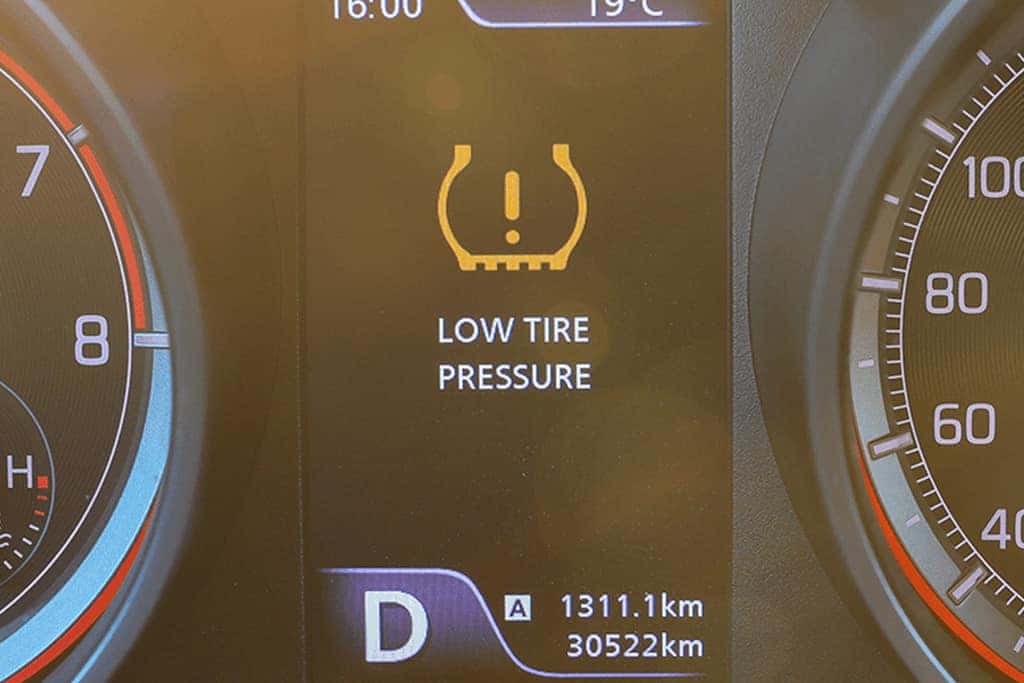
Picture this. You’re driving your sleek Acura down a winding road, the engine purring like a contented cat, when suddenly, a little amber light on your dashboard steals the show. It’s the tire pressure light, and it’s trying to tell you something important. This little light can be a quiet hero, alerting you to issues that, if unchecked, could lead to poor vehicle performance or worse, safety hazards. Understanding why this light comes on and what you should do about it is crucial for all Acura owners. In this guide, we’re going to explore everything you need to know about managing your tire pressure light.
Understanding the Acura TPMS
The Tire Pressure Monitoring System (TPMS) in Acura vehicles is more than just a flashy dashboard feature. It’s a safety system designed to monitor the air pressure inside your tires and warn you if it falls significantly below the recommended level. Acura uses both direct and indirect TPMS systems, depending on the model. Direct TPMS employs sensors inside each wheel to report real-time pressure data to your car’s onboard computer. Indirect TPMS, on the other hand, estimates pressure by comparing wheel speeds using the ABS system. Either way, the goal is to ensure you’re alerted to any issues before they become problematic.
The integration of TPMS with your Acura’s system is seamless, allowing for continuous monitoring without any input required from you. When the system detects low pressure, it triggers the tire pressure light on your dashboard, prompting you to take action. If ignored, low tire pressure can lead to decreased fuel efficiency, uneven tire wear, and potentially dangerous driving conditions. Thus, the TPMS is not just a passive feature; it’s an active participant in keeping you safe and your vehicle in top shape.
Understanding how TPMS works in your Acura can empower you to respond appropriately when the light turns on. The system is designed with precision, using sensors that are both accurate and durable. However, like any technology, they are not infallible and sometimes require maintenance or recalibration. Being familiar with this system will help you diagnose the problem quickly and take the necessary steps to resolve it.
Common Reasons for the Light
One of the most frequently asked questions by Acura owners is, “Why is my tire pressure light on?” Several factors could be at play, ranging from environmental changes to mechanical issues. One common reason is temperature fluctuations. Cold weather can cause tire pressure to drop, triggering the warning light. Conversely, hot weather can increase pressure, but not enough to trigger a light.
Another potential culprit is tire damage. A puncture or slow leak can cause the tire pressure to drop gradually, which will activate the TPMS light. Regularly inspecting your tires for visible signs of damage can help catch these issues early. Even something as simple as a loose or damaged valve stem can lead to pressure loss over time. Keeping an eye on your tires’ condition is essential in preventing unexpected alerts from your TPMS.
Sensor malfunctions are another possibility. While rare, the sensors within the TPMS can fail or provide inaccurate readings. This can happen due to physical damage, battery depletion in the sensor, or electronic interference. If your tire pressure light remains on despite proper inflation, a faulty sensor could be the issue. In such cases, consulting with a professional mechanic or your Acura service center is wise for a proper diagnosis and resolution.
What to Do When the Light Comes On
The moment your tire pressure light illuminates, it’s time to take action. Begin by finding a safe place to pull over and inspect your tires visually. Look for any obvious signs of damage or deflation. If everything appears normal, use a tire pressure gauge to check each tire’s pressure against Acura’s recommended levels, which can typically be found in your owner’s manual or on a sticker inside the driver’s door frame.
If you find that any of your tires are under-inflated, inflate them to the appropriate pressure and see if the warning light turns off after driving a short distance. However, if the light persists, there might be a deeper issue at play, such as a slow leak or a faulty sensor. In such cases, it’s advisable to visit an automotive professional for further inspection and diagnosis.
When the light remains on despite your best efforts, it’s crucial not to ignore it. Continuing to drive on improperly inflated tires can lead to increased wear, poor handling, and decreased fuel efficiency. At this point, seek assistance from a certified Acura service center. They have the tools and expertise needed to identify and fix the problem, ensuring your vehicle remains safe and efficient.
Maintaining Proper Tire Pressure
Preventing the tire pressure light from coming on starts with regular tire maintenance. Make it a habit to check your tire pressure at least once a month, more often in extreme temperatures. Maintaining the correct pressure not only prevents the TPMS light from coming on but also enhances your car’s performance, fuel efficiency, and tire longevity.
Use a reliable tire pressure gauge, and remember to check the pressure when the tires are cold, as driving heats up the tires and can give inaccurate readings. If you’re unsure of the correct pressure for your Acura, refer to your owner’s manual or the placard on the driver’s side door. Consistently maintaining the recommended tire pressure will keep your TPMS happy and your drives smooth.
Regular tire rotation and alignment checks can also contribute to maintaining proper tire pressure. Uneven wear from misalignment can affect pressure levels, impacting both your TPMS and driving experience. Scheduling routine maintenance at an Acura service center ensures that your tires—and TPMS—are in optimal condition, reducing the likelihood of unexpected alerts.
Why Is My Acura Tire Pressure Light On?
The tire pressure light on your Acura is more than just a dashboard nuisance; it’s a critical component of your vehicle’s safety and performance. By understanding how the TPMS works, recognizing common reasons for its activation, and knowing how to respond when it lights up, you can maintain both your peace of mind and vehicle performance. Regular tire maintenance is not just about prolonging tire life; it’s about maintaining optimal driving conditions and safety.
Being proactive in monitoring your tire pressure and responding promptly to the TPMS light will keep your Acura running smoothly. If you encounter persistent issues, don’t hesitate to reach out to a professional. Your safety and comfort on the road depend on it. For those ready to ensure their vehicle’s peak performance, scheduling a tire check or maintenance appointment at an authorized Acura service center is a smart next step. Stay safe and keep your Acura in top shape!
0 comment(s) so far on Why Is My Acura Tire Pressure Light On?